How to Pick Patio Pieces That Handle Rain, Sun, and Cool Nights
Choosing patio furniture for changing weather is less about finding something that looks good on a sunny day and more about matching the piece to what your outdoor space actually does. A sheltered courtyard, a windy balcony, and an exposed backyard can all need different choices. Resin furniture is often considered for outdoor use because it can be made to resist moisture and everyday wear, but the details still matter.
Start with the pattern of weather in your area and in your specific space. Hot sun, regular rain, damp shade, and cold nights place different demands on chairs, tables, lounges, benches, and dining sets. A piece that performs well beside a covered wall may not be the best match for an open lawn where water sits after a storm. The goal is not to buy for the ideal day. It is to choose furniture that stays practical through the days that are less comfortable.
1. Map the exposure before choosing a style
Walk around the space at different times of day if you can. Note where sunlight lands in the afternoon, where rain gathers, and whether water runs toward seating areas. Look at the ground too. Pavers, decking, gravel, and soil all drain differently, and that affects how quickly the legs and feet of furniture dry.
Watch for these signs:
- Standing water after rain, especially near flat pavers or low corners
- Strong afternoon sun on one side of the patio
- Wind funnelling through a gap between buildings or fences
- Shade that stays damp for much of the day
Once you know the exposure, narrow the type of furniture. Dining pieces need stable tables and chairs that do not shift during a meal. Chaise lounges need frames and surfaces that can handle body weight and repeated wet and dry cycles. Benches and swings need careful attention to support points, since the load is concentrated where fittings meet the frame. Commercial patio furnishings call for even more attention to construction because use is heavier and furniture may stay outside for long stretches.
2. Look closely at the material, not just the color
Durable resin furniture is a broad term, so look for specifics. Resin outdoor furniture can vary in formulation, thickness, finish, and how it is shaped. Some pieces are molded in one piece, while others combine resin parts with metal frames, fabric cushions, or hardware. Each combination changes how the furniture handles weather.
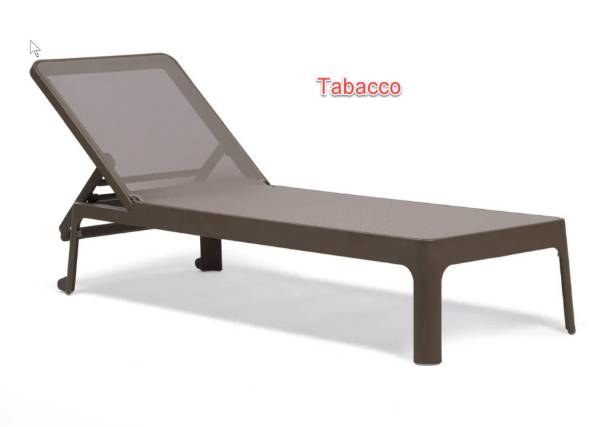
UV stability matters where sun is strong. Sun exposure can fade color and make some surfaces brittle over time. A darker piece may show heat and fading in different ways than a lighter one, so ask what the finish is designed for rather than judging by shade alone. If a product is intended for full sun, the material details should reflect that.
Moisture exposure is another point to check. Resin itself does not absorb water in the way untreated wood can, but seams, joints, cushions, and hardware still need attention. Look at how the seat meets the frame and whether water can collect in a tray or hollow section. Drainage holes are useful in flat seats and table tops because they let rain pass through instead of pooling. They also help surfaces dry faster after a shower.
When comparing pieces, pay attention to weight as well as size. Light furniture is easy to move, which can be helpful before a storm. Very light furniture may also shift in wind. Heavier resin pieces can feel steadier, but they may be harder to rearrange or store. The right balance depends on how exposed the space is and how often the furniture is moved.
3. Check construction at the points that take stress
Weather does not only affect flat surfaces. It works its way into joints, corners, legs, and fasteners. A chair can look fine from a distance while failing at the point where a backrest meets the seat. A table can wobble because its feet sit unevenly on a damp deck. These are the places to slow down and inspect.
For chairs and dining sets, sit tests are useful if they are available. Check whether the frame flexes more than feels comfortable and whether the legs sit evenly. For chaise lounges, look at the adjustment points and the long span beneath the seating surface. Repeated wet and dry cycles can make weak areas more noticeable, especially where parts move.
For benches and swings, check the supports, hanging points, and any hardware that carries weight. If a swing is suspended from a frame or overhead structure, the fixings and the structure itself need to be suitable for that load. If there is any doubt about anchor points or overhead support, that is a job for a qualified professional. Do not rely on guesswork where a seat will carry people.
Look at the underside as well as the top. Smooth edges, consistent molding, and tidy joins usually suggest more care in manufacturing. Sharp internal edges can catch clothing, and rough areas can collect dirt. Water that can escape is usually better than water that is trapped, so drainage details deserve a closer look than decorative trim.
4. Match cushions and fabric to the climate
Cushions can change how furniture performs in changing weather more than the frame alone. A resin chair may dry quickly after rain, while a thick cushion can stay damp for days. In humid or shaded spaces, that can lead to musty smells and slower drying. In sunny spaces, fabrics may fade or become brittle if left out for long periods.
Check whether cushions have covers that can be removed for cleaning and drying. Look at seams, zippers, and the fit around the cushion. A loose cover can shift and trap water. A tight cover may be difficult to remove after it has been exposed to sun and rain. Neither is ideal.
Open-cell foam dries more readily than many closed forms, but it can still hold water in heavy rain. Cushion design and storage habits matter as much as the label. If the forecast is unsettled, cushions are often the first items to bring under cover. That small habit can extend the useful life of both the cushion and the seating area beneath it.
Umbrellas and shade features bring another set of checks. A table umbrella needs a stable base and a table designed to hold it. Wind can turn an umbrella into a lever, so close it when it is not in use and avoid leaving it open in gusty conditions. If a canopy or shade structure is fixed to a building, use hardware suited to that setting and seek qualified help when fixings are unclear.
5. Plan for cleaning and seasonal care
Weather resistance is not the same as no maintenance. Pollen, dust, bird droppings, sap, and city grime can settle on outdoor furniture. If they sit for long periods, they can stain surfaces or make them feel rough. A simple routine is more effective than occasional heavy cleaning.
Start with surface cleaning using mild soap and water, a soft cloth or brush, and a rinse with clean water. Avoid harsh abrasives that scratch resin, and do not mix cleaning products. Test any cleaner on a small hidden area first. Pay attention to crevices, drainage holes, and the underside of seats, where debris can collect.
Stains need patience. Let soapy water sit briefly, then wipe gently and repeat if needed. Scrubbing too hard can dull the finish. For rust marks from nearby hardware or planters, check the source of the stain as well as the furniture itself. Replacing a corroded fitting may prevent the mark from returning.
Seasonal care depends on where the furniture lives. In places with freeze thaw cycles, water trapped in joints or hollow areas can be a concern. Draining, drying, and covering furniture before cold weather can reduce that risk. Protective storage also helps during long wet periods, especially for cushions and smaller pieces. If space is limited, choose stackable or nesting designs that can be moved under cover without awkward lifting.
6. Compare comfort, layout, and long-term fit
Furniture that survives weather but does not suit the space will still feel like a poor choice. Measure the patio before shopping, including walking paths around the table and clearance near doors. A dining set that fits on paper can feel crowded once chairs are pulled out. A lounge chair needs room to recline. A bench needs a clear route behind it.
Think about how the furniture will be used across the year. A small balcony may call for compact chairs that can be stacked during rain. A large deck may support a dining set, lounges, and a bench in separate zones. Outdoor-resin-furniture is one way shoppers describe the broader category of resin pieces used in these settings, including chairs, tables, lounges, benches, and swings.
Comfort deserves a practical check. Seat height, back angle, arm height, and table height all affect how a set feels. Cushions can add softness, but they also add drying and storage tasks. Sculpted resin seats may feel firmer, yet they can be easier to rinse and leave outside. The trade-off is personal, but it becomes clearer when each piece is considered in the context of local weather.
Color and texture also shape maintenance. Light colors can show dirt more easily, while dark surfaces may show dust and heat. Textured finishes can hide small marks but may hold grime. Smooth surfaces are easier to wipe but may show scratches. None of these points should decide the purchase alone, yet they help set expectations.
7. Ask the right questions before buying
Good questions make comparison easier. They also reveal whether a piece is suited to the conditions it will face. When reviewing product details, focus on information that affects use and care rather than appearance alone.
- Is the piece intended for full sun, partial shade, or covered outdoor use?
- Are drainage holes included in flat seating or table surfaces?
- Are cushions removable, and how are they cleaned and dried?
- Which parts are resin, and which parts are metal, fabric, or another material?
- Can the furniture be stacked, covered, or moved under shelter during severe weather?
Material durability should be judged as a whole. A resin seat with weak hardware may not last as long as a well-built mixed-material chair. A heavy table with poor feet may still wobble on a damp deck. Look at the complete structure, the setting, and the care routine together.
Some people prefer a small set that can be stored quickly. Others prefer substantial pieces that stay in place and are covered during the worst weather. Both approaches can work. The best choice is the one that fits the space, the climate, and the way the patio is used.
Before making a final decision, picture the furniture during an ordinary week, not just on a bright weekend. Rain, sun, wind, damp shade, and cool nights all leave their mark. If the pieces can be cleaned easily, drained properly, moved safely, and stored when conditions turn harsh, they are more likely to remain useful through changing seasons. Outdoor-resin-furniture can be a practical part of that plan when the selection is based on fit and function rather than looks alone.